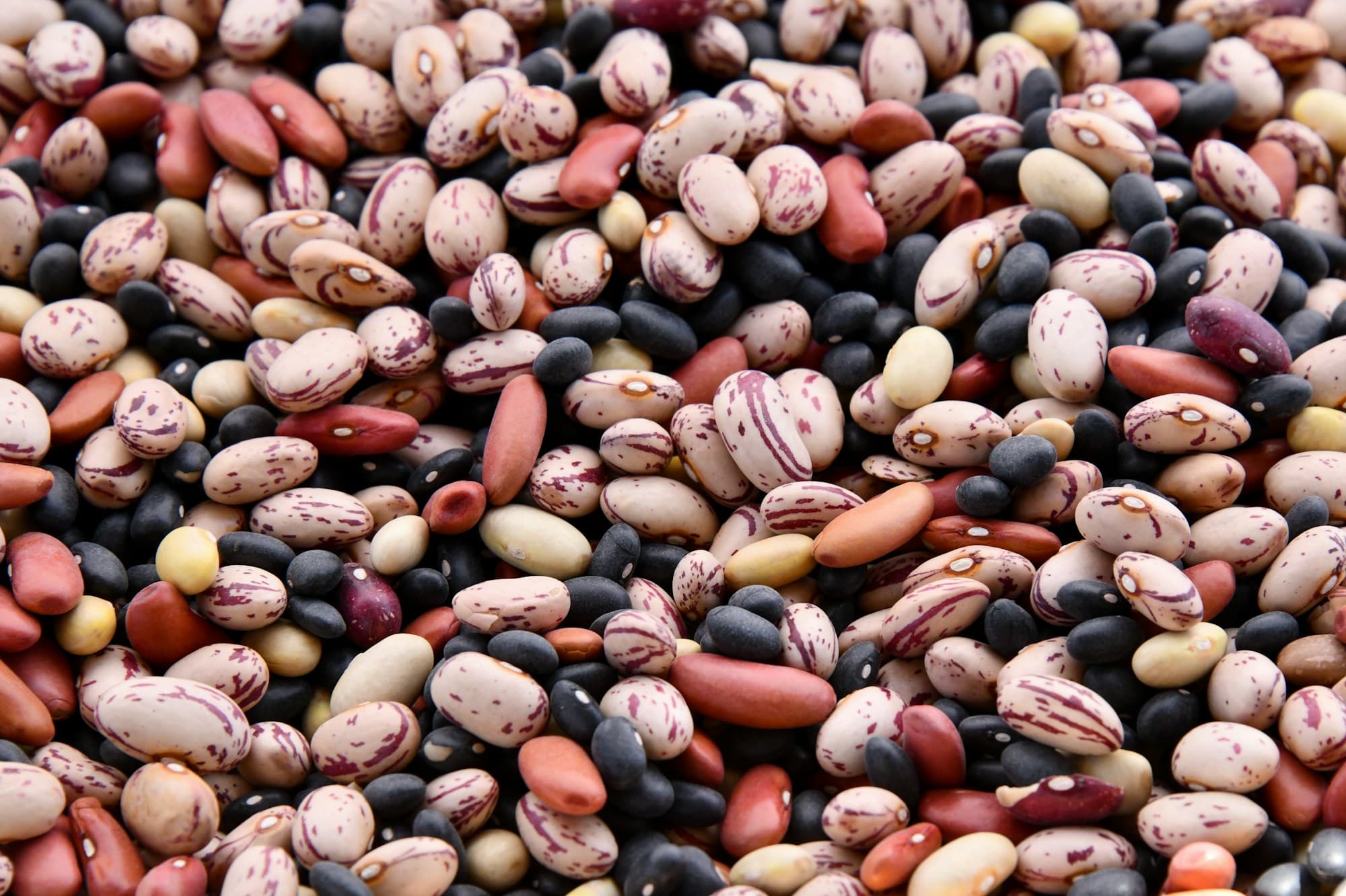
Beans, peas, lentils and chickpeas
Pulses and legumes
Familiar, direct sources of protein with a long place in human diets. The UK question is not only how to eat more pulses, but why production here remains limited.

The field guide
Eight routes to protein, examined with the same questions: what goes in, what comes out, and what does the evidence actually say?
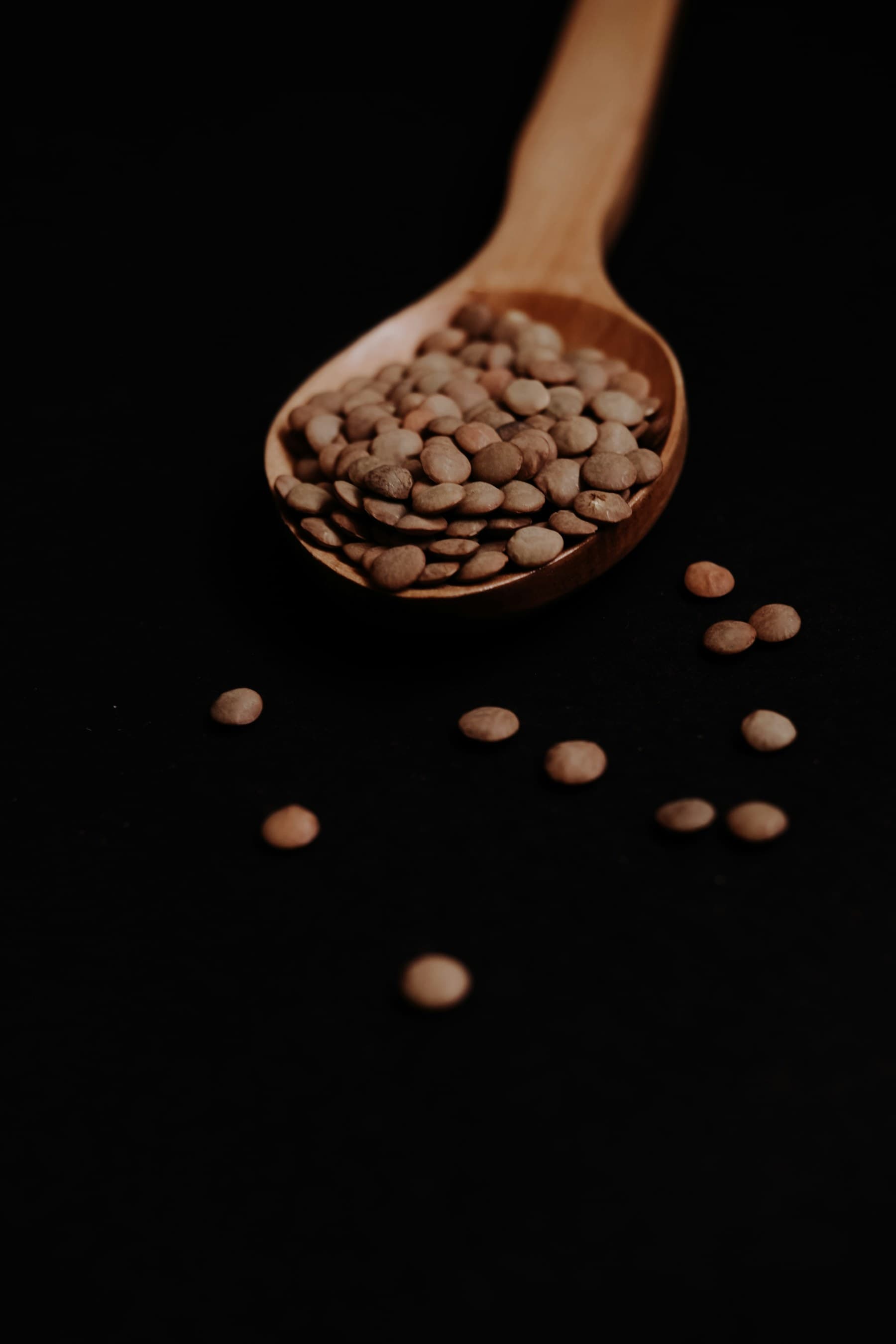
Beans, peas, lentils and chickpeas
Familiar, direct sources of protein with a long place in human diets. The UK question is not only how to eat more pulses, but why production here remains limited.
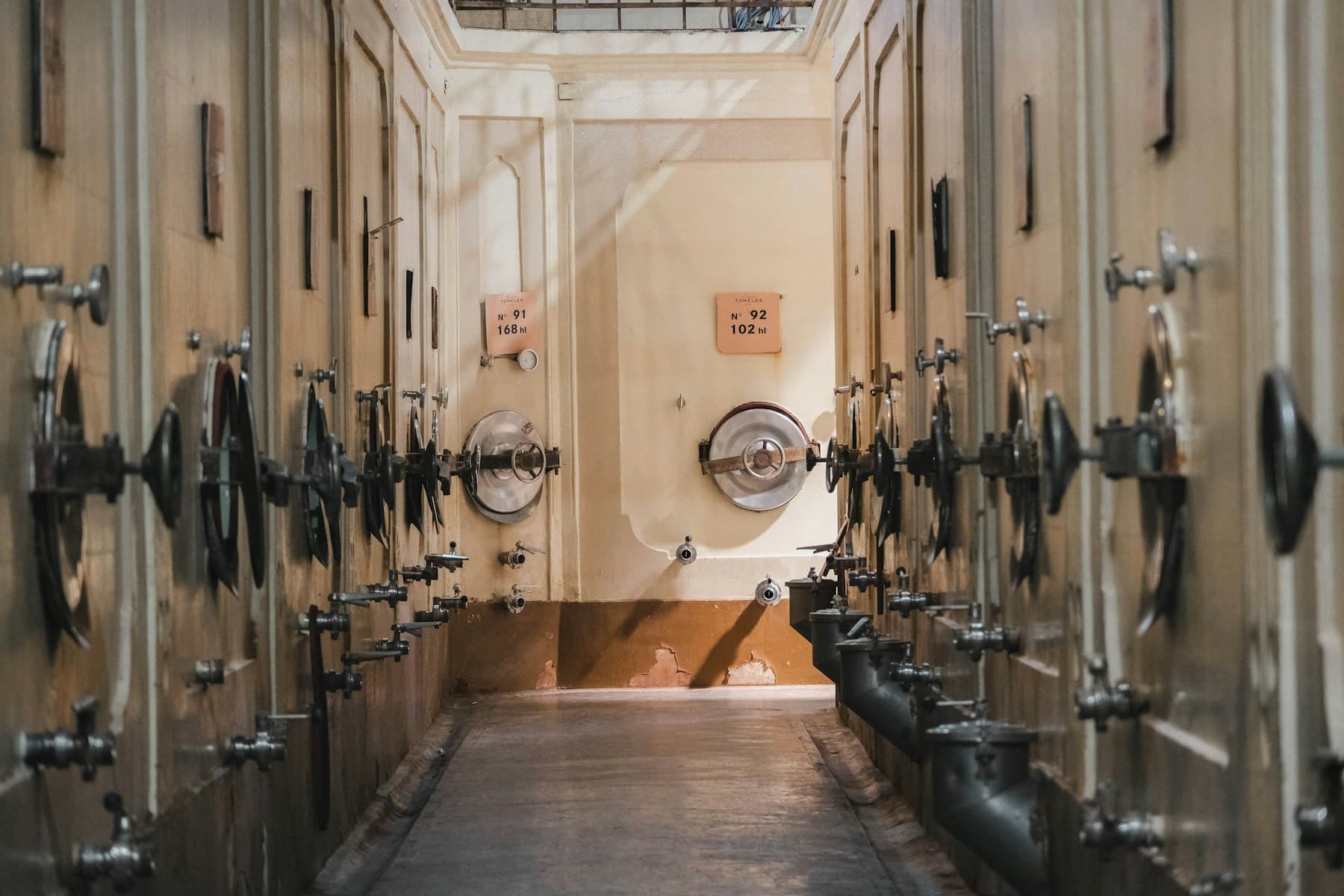
Protein-rich fungi grown by fermentation
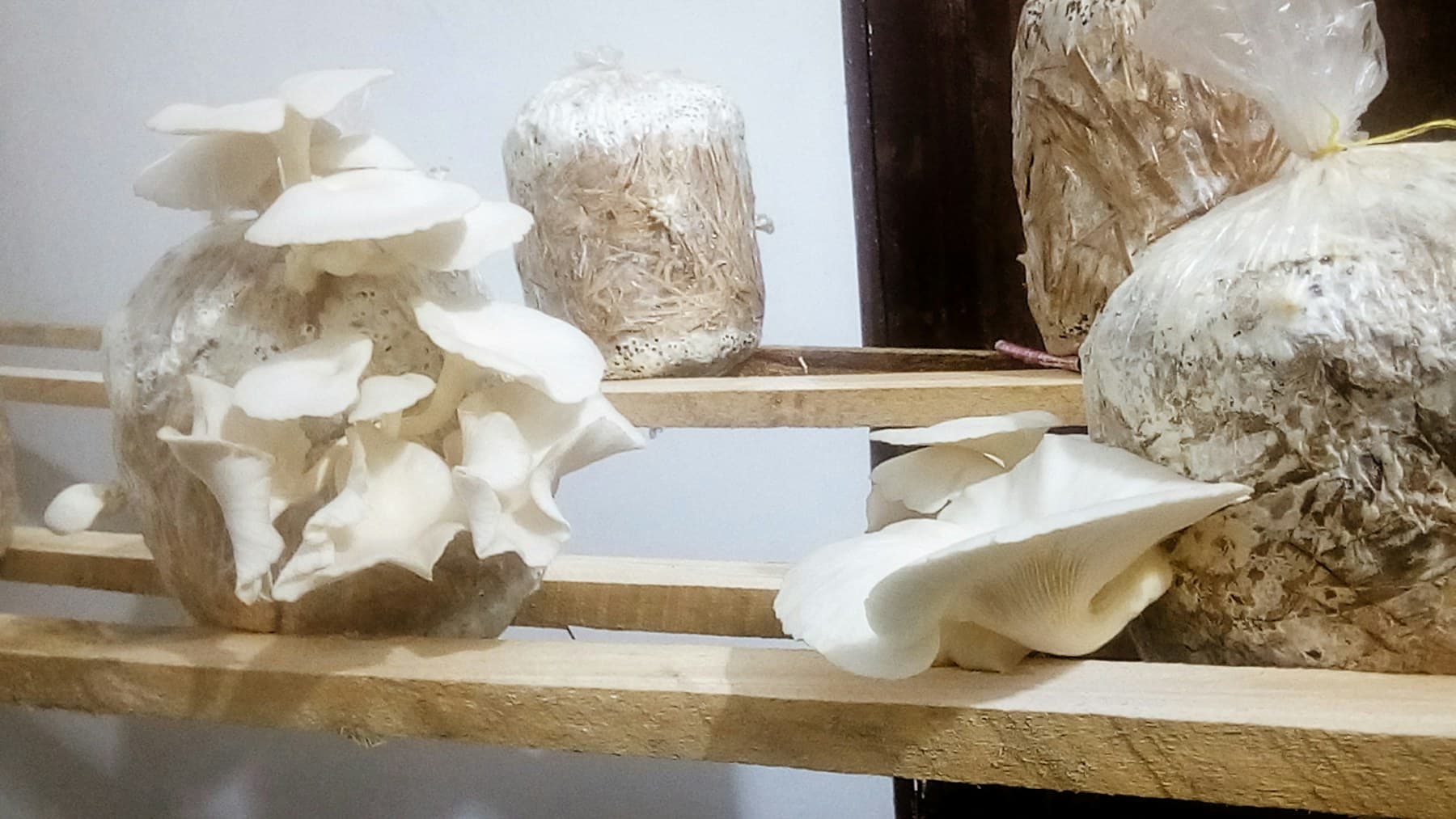
A microorganism is grown as food itself. Mycoprotein is the best-known example of biomass fermentation in British supermarkets.
Specific ingredients made by engineered microbes
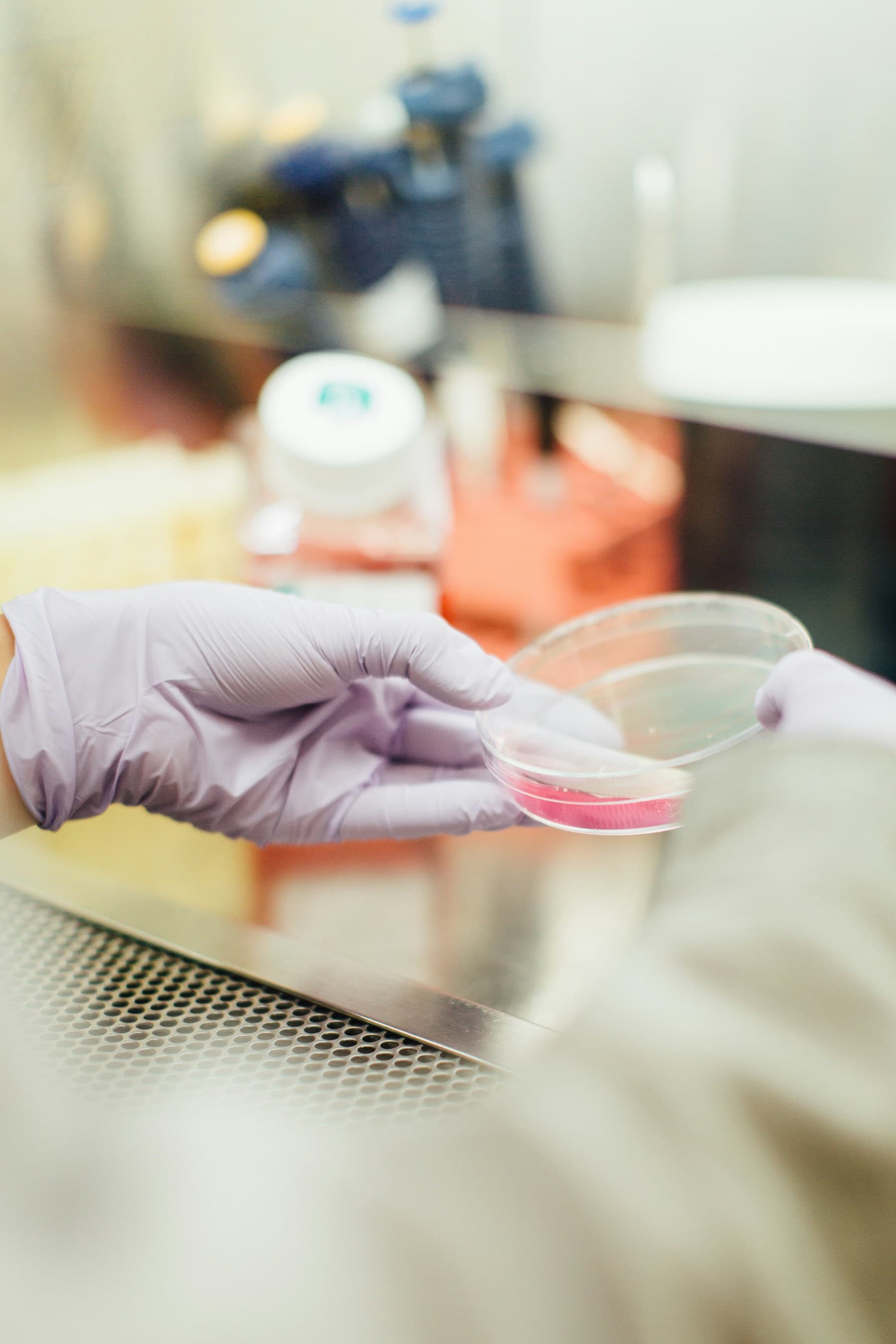
Microbes can be programmed to produce particular proteins or other ingredients. Safety assessment, scale and energy use all matter.
Animal cells grown as food
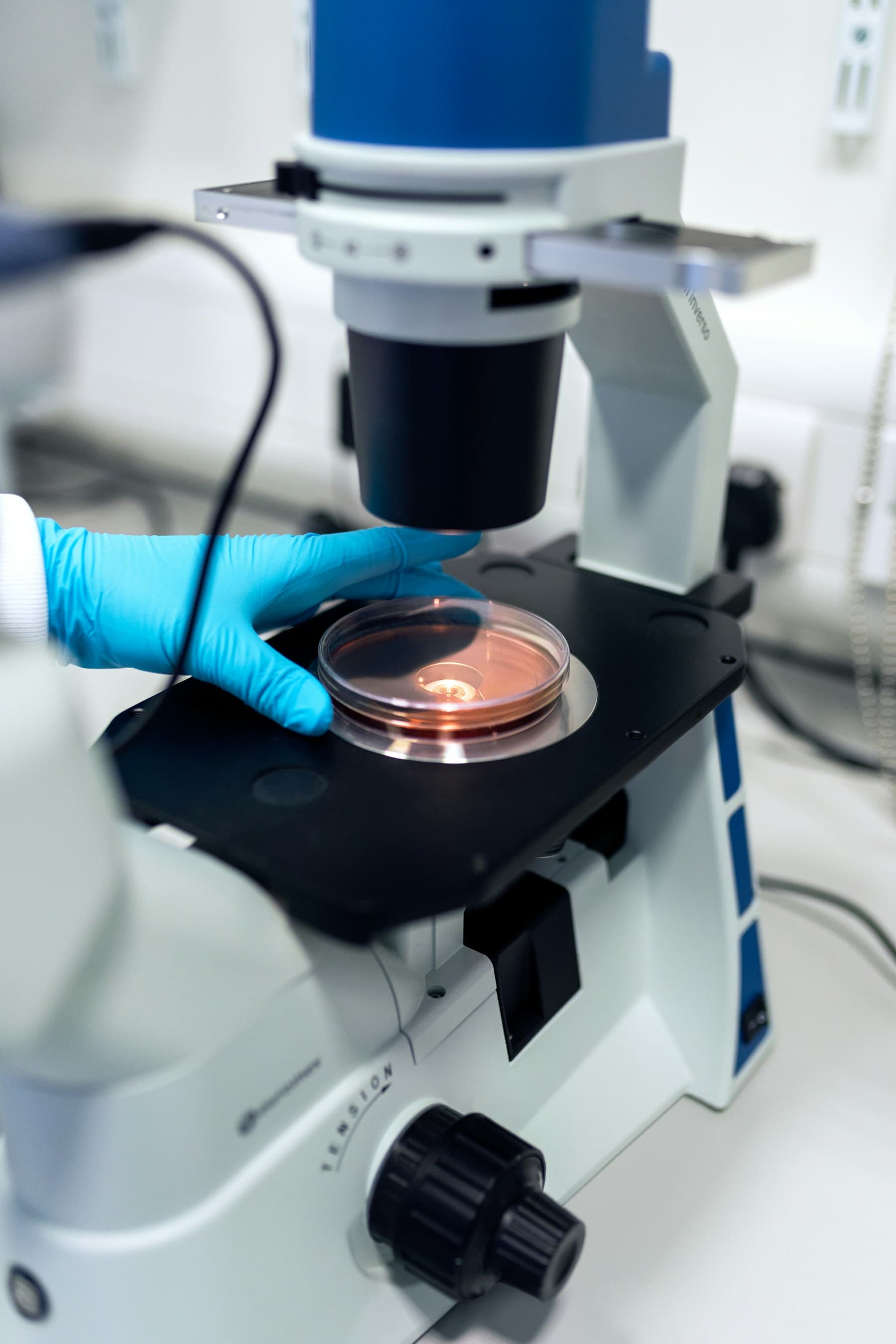
Cultivated meat grows animal cells in controlled conditions. The UK sandbox supports regulatory learning; it is not itself a market approval.
Insect-derived ingredients for food and feed
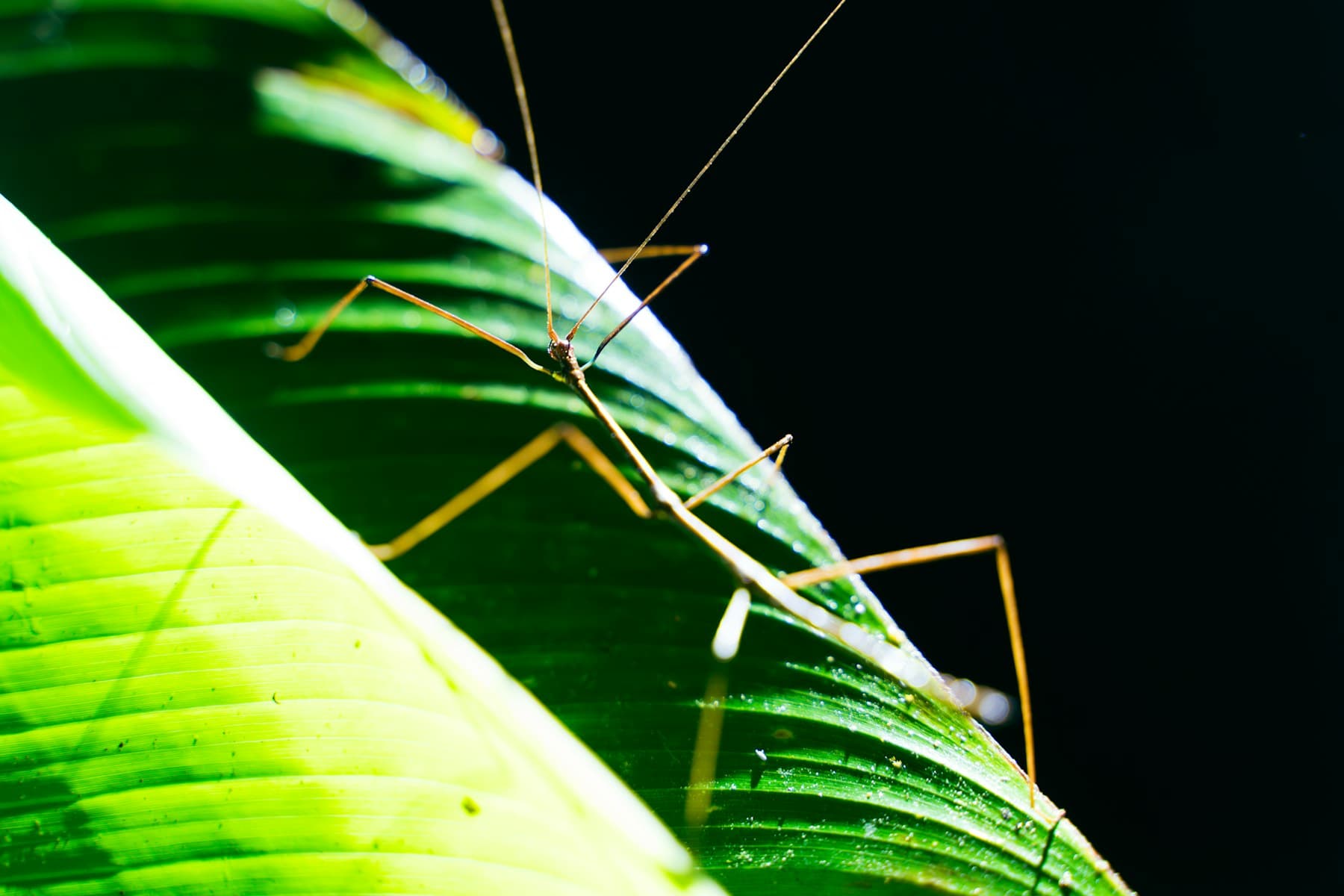
Insects can convert feed into protein, but the species, substrate, processing, cost and intended use make the difference.
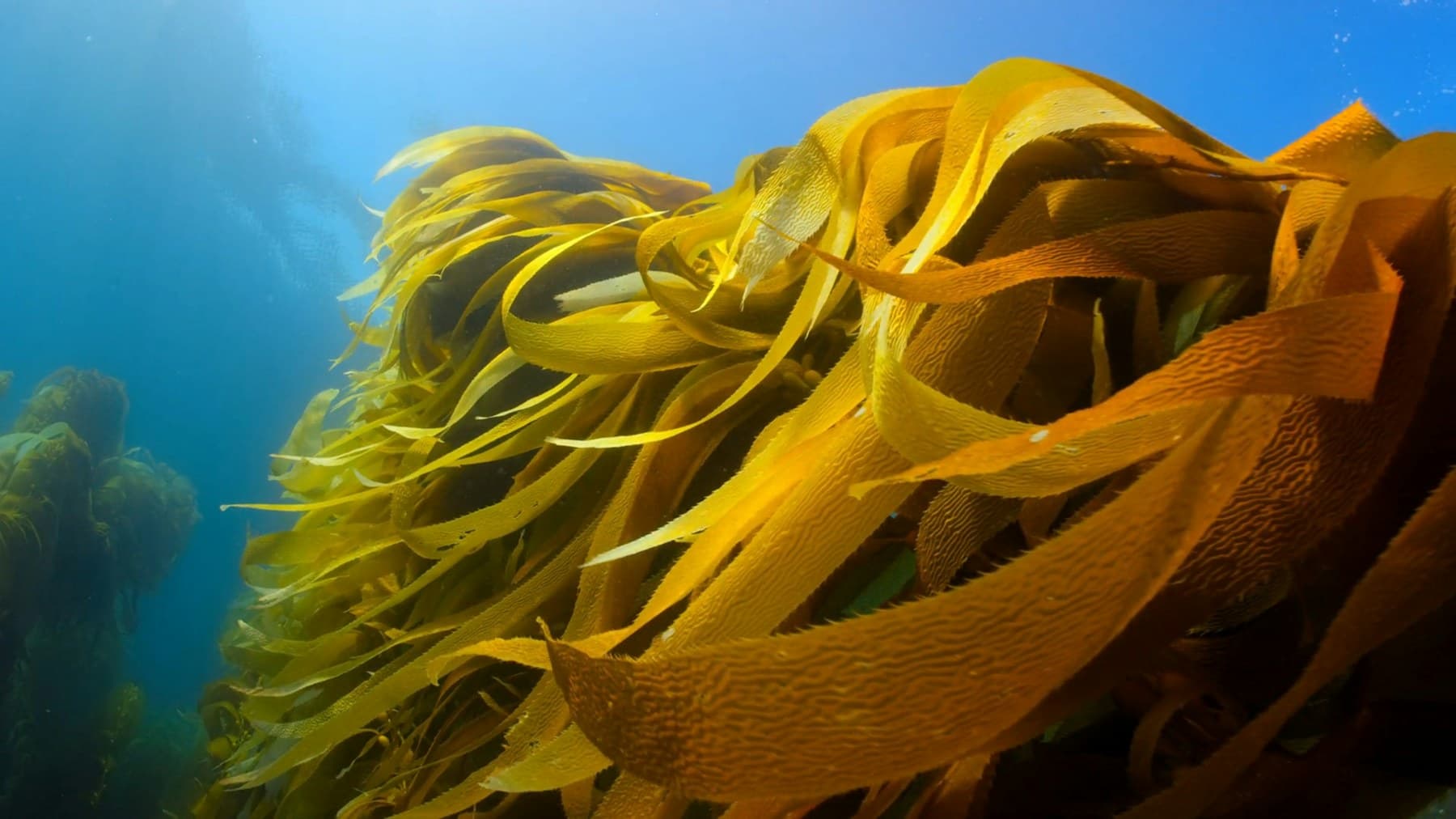
Aquatic organisms with varied protein potential
A broad group, not a single ingredient. Nutrition, cultivation methods and the cost of processing vary sharply between species.
Microbes fed on gases and energy
Some microbes can use gases such as hydrogen or carbon dioxide as inputs, producing biomass that may become feed or food.
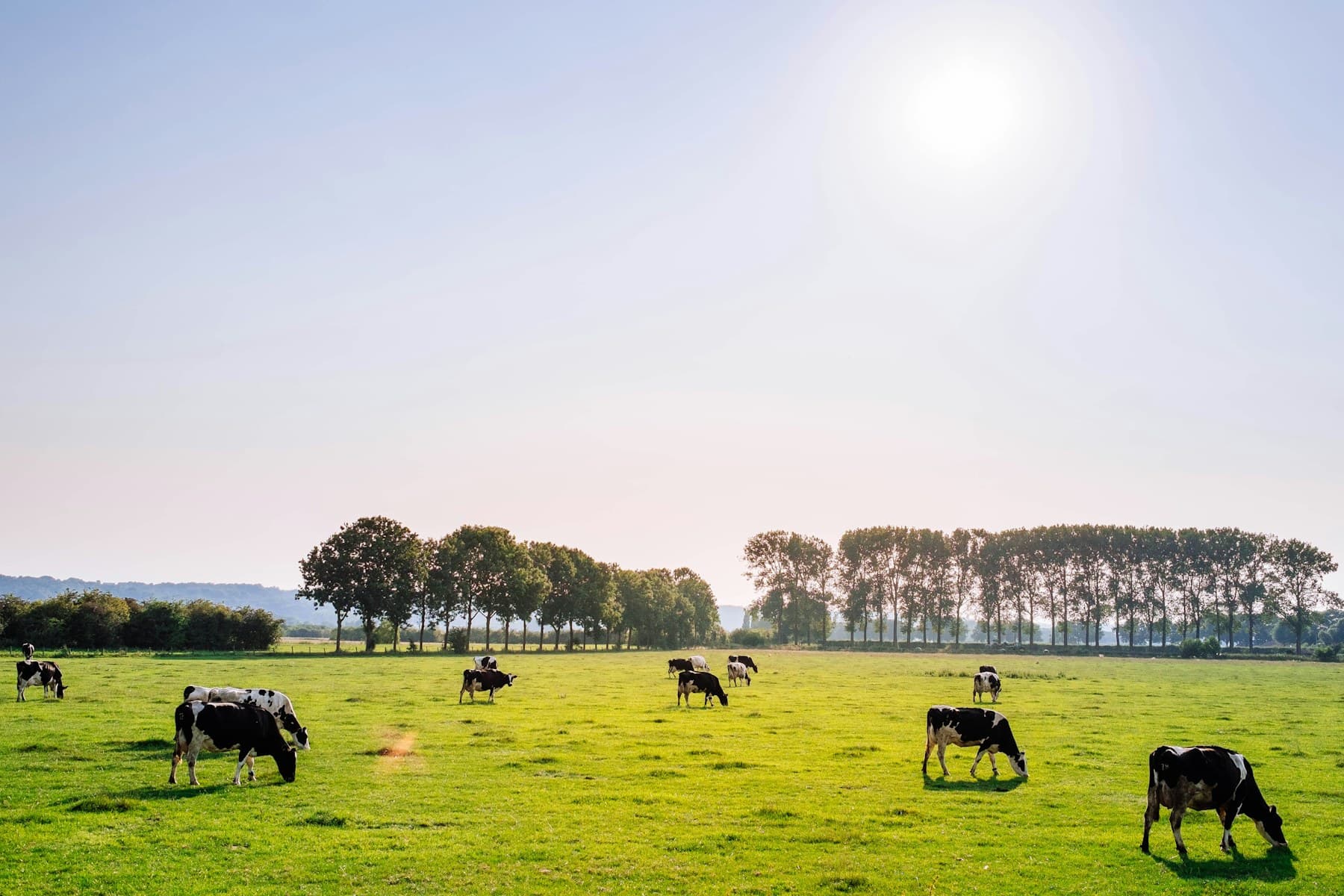
Improving existing animal production fairly
A sober protein guide has to examine livestock too: feed, methane, land, local ecology and the products people value.